Krav Maga History
Krav Maga Books By Gershon Ben Keren
Krav Maga Yashir Boston Head Instructor
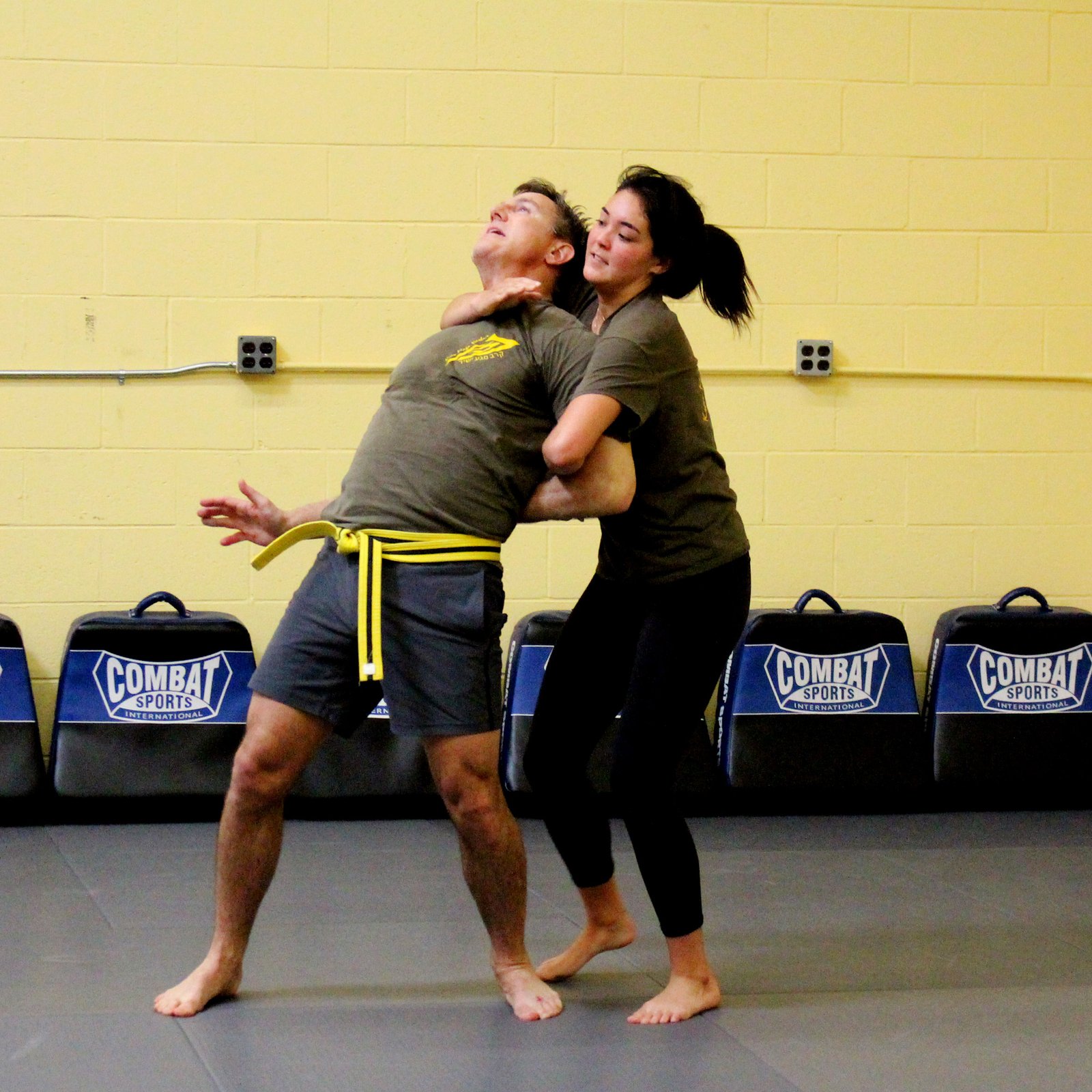
Krav Maga Yashir Boston History
The origins of Krav Maga are often described in terms of techniques and systems, but its real history is rooted in a simple idea: people need a way to handle and deal with violence that is practical, direct, and works under pressure, whether that is through verbal de-escalation or physical means. Krav Maga didn’t begin as a sport or a traditional martial art shaped by rules and rituals. Instead, it developed out of necessity, in environments where there was no time for complexity and no room for hesitation.
In the 1930s, in Central Europe, increasing social instability and violence created situations where individuals had to learn quickly how to protect themselves and others. What emerged during this period wasn’t a formalized system, but an approach, one that prioritized instinctive movement, awareness, and efficiency. Early methods focused on what people could realistically do in chaotic situations, rather than what looked refined or technically impressive. This emphasis on realism would become a defining characteristic of Krav Maga as it continued to evolve.
As the system developed further, particularly within military contexts, the focus became even more streamlined. Training needed to be effective, teachable in a short time, and adaptable to a wide range of individuals with different physical abilities. The goal wasn’t mastery in the traditional sense, but functionality, ensuring that someone could perform under stress, even with minimal training. Techniques were constantly evaluated and refined based on what worked, and what didn’t was discarded without hesitation (if you would like to experience this system/approach in action you can sign up for one of our beginner classes using the button below).
Our next Beginner Krav Maga Class is on
Beginner Class
Although originally a military system, when Krav Maga began to transition into civilian use, this same mindset was retained. Rather than becoming diluted or stylized, it was adapted to reflect the realities that ordinary people might face. This meant addressing common forms of violence such as grabs, strikes, and threats, as well as adapting solutions for the broader context in which these situations occur. The system expanded to include not just physical responses, but also awareness, avoidance, and decision-making. It recognized that most confrontations don’t begin with physical contact, and that understanding how situations develop can be just as important as knowing how to respond to them.
One of the reasons Krav Maga has continued to grow is because it doesn’t present itself as something distant or specialized. Its history is tied to everyday relevance. It was shaped by people who needed something that worked immediately, and that same practicality carries through into modern training. The techniques are deliberately simple, not because they are basic, but because simplicity holds up better under pressure. When situations are fast, unpredictable, and stressful, there is little space for overthinking. The system reflects this by focusing on movements that align with natural reactions, allowing people to act rather than hesitate.
Over time, Krav Maga has been taught across different environments, military, law enforcement, and civilian settings, but the underlying philosophy remains consistent. It is less about tradition and more about adaptation. As new challenges emerge, the system evolves, incorporating new insights while staying grounded in its core principles. This flexibility is part of what makes it feel relevant across different generations. It doesn’t rely on history for authority, but on continued effectiveness.
For many people today, especially those navigating busy and often unpredictable lives, the appeal of Krav Maga lies in this balance between simplicity and realism. Its history isn’t something that feels removed or ceremonial. Instead, it reflects a continuous effort to deal with real-world problems in a practical way. That gives it a certain quiet credibility. It doesn’t need to be framed as extreme or dramatic, because its purpose is clear and grounded.
Looking at its development over time, what stands out is not a series of fixed techniques, but a consistent approach to solving a problem. Each stage of its history has reinforced the same idea: that individuals should be able to take control of situations that might otherwise feel overwhelming. Not through force alone, but through understanding, preparation, and the ability to act when needed.
In that sense, the history of Krav Maga isn’t just about where it came from, but about why it continues to resonate. It offers a way of thinking about personal safety that feels both realistic and accessible, shaped by the idea that confidence is built through preparation, and that even in uncertain situations, having a clear and simple response can make all the difference. If you would like to experience how training in this system can add value to your life you can sign up for one of our beginner classes using the form below (all beginner classes are taught at the address listed below).