About Krav Maga Yashir Boston
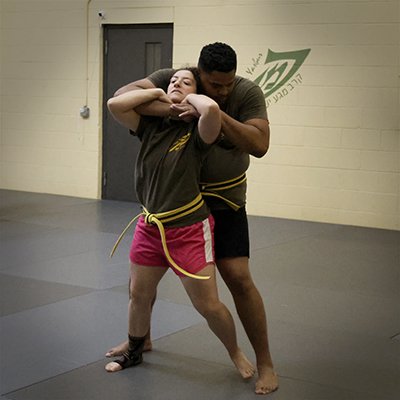
Krav Maga Books By Gershon Ben Keren
Krav Maga Yashir Boston Head Instructor
About Krav Maga
Confidence in handling aggressive and socially awkward/difficult situations isn’t something most people are born with, rather it is something that is developed through experience, understanding, and preparation. For many, the idea of confrontation creates uncertainty, hesitation, and even fear, not because they are weak, but because they haven’t been shown/taught what to do when things become tense, unpredictable, and/or threatening. This is where Krav Maga offers something different from traditional martial arts or fitness training. It is not about competition or performance; it is about giving individuals the ability to function effectively when it matters most, i.e., how to navigate difficult social interactions and be able to handle them should they turn physical (register for one of our beginner classes using the button below to experience this for yourself).
Our next Beginner Krav Maga Class is on
Beginner Class
At the heart of Krav Maga is the idea that confidence comes from clarity. When people understand how aggressive situations typically unfold—how they escalate, what cues precede violence, and how quickly things can change—they are far less likely to freeze or panic. Instead of reacting emotionally, they are able to recognize what is happening and respond in a more deliberate and controlled way. This awareness alone can prevent many situations from escalating, because confidence often communicates itself non-verbally through posture, movement, and decision-making.
Krav Maga training places a strong emphasis on recognizing and managing conflict before it becomes physical. This includes understanding personal space, reading behavior, and using verbal skills to de-escalate tension. Many aggressive encounters do not begin with physical violence; they begin with posturing, intimidation, or emotional escalation. Learning how to navigate these early stages gives individuals a significant advantage, allowing them to avoid unnecessary risk altogether. In this sense, confidence is not about being ready to fight, but about being capable of managing situations so that fighting becomes unnecessary.
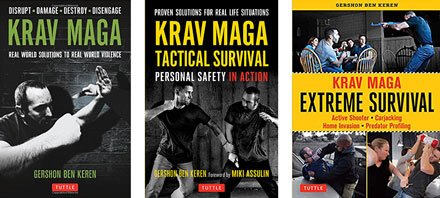
However, not every situation can be avoided. When physical action is required, confidence is built through repetition and realism. Krav Maga focuses on simple, instinctive movements that can be performed under pressure. Rather than relying on complex techniques that require perfect timing, the system teaches responses that align with natural reactions. This means that when someone is grabbed, pushed, or threatened, they are not trying to remember a sequence of steps; they are acting in a way that has been trained repeatedly in realistic scenarios. Over time, this creates a sense of familiarity with situations that would otherwise feel overwhelming.
An important part of this process is stress exposure. Training is often conducted in a way that introduces pressure, whether through time constraints, physical fatigue, or unpredictability. This is not done to intimidate students, but to prepare them. The more someone experiences controlled stress in training, the more capable they become of managing real stress outside of it. Confidence, in this context, is not the absence of fear, but the ability to act despite it.
Krav Maga also reframes what it means to be “good” at self-defense. It is not about dominance or winning a fight; it is about making effective decisions quickly and getting to safety. This shift in perspective is important, because it removes the ego from the equation. Confidence becomes less about proving something and more about knowing that you can handle yourself if needed. This mindset encourages individuals to prioritize avoidance and escape, rather than engagement.
For many people Krav Maga offers practical appeal; many individuals who train at our school/club are often balancing work, social life, and personal development etc. They may not have the time or interest to commit to years of traditional martial arts training, but they still want to feel capable and secure. Krav Maga addresses this by focusing on efficiency, with the goal being to provide usable skills in a relatively short period of time, without sacrificing effectiveness.
There is also a psychological shift that takes place with consistent training. As individuals become more comfortable dealing with aggressive scenarios, this confidence carries over into other areas of life e.g., they may feel more assertive in setting boundaries, more aware in their environment, and more composed when under pressure. This broader impact is one of the reasons why Krav Maga is often described as more than just a self-defense system.
Ultimately, learning to handle aggressive situations is about reducing uncertainty. When people no longer feel helpless or unsure, their behavior changes. They move differently, think differently, and respond differently. Krav Maga provides the tools to make that shift possible, not by teaching people to seek out conflict, but by giving them the ability to deal with it effectively if it arises. If you want to experience Krav Maga training firsthand you can register for one of our introductory/beginner classes, using the form below (all classes our held at the location below).